UPCYCLING TIPS

The good thing about upcycling is that there really are no limits to what you can create. It’s a sustainable, cost-effective option, and anyone can join the upcycling revolution and undertake a range of upcycled furniture projects – no previous skills required.

Interior designer and upcycler, Lynne Lambourne from Love Nellie, is encouraging the nation to join in on the upcycling movement and breathe new life into vintage and second-hand furniture and homewear with these following tips.

1. Preparation is key to upcycling. Plan ahead and ensure you have the tools and equipment needed to do the job. Give all furniture a wipe down before you start, otherwise you could get an old cobweb stuck to your paintbrush! And factor in time at the end in case you need to make any corrections to your work. Sometimes the excitement of getting the job done can mean we rush things.

2. Be imaginative when you see old pieces. Old ladders make great places to display plants, and old washing machine drums make great outdoor plant pots. Creative ideas can give a new purpose to something that would have otherwise been discarded.

3. If you see a piece of vintage furniture for sale on the high street that you like, the chances are that you can find something very similar in a charity shop, at a car boot sale, or on sites such as Gumtree. You may even find something similar in your granny’s attic! With a bit of paint and some imagination, you can create something beautiful at a fraction of the price

4. Spend a few extra pennies on good paint brushes. Cheap ones leave bristles in your work and don’t give good coverage. All good paint brands now have their own paint brushes which work wonderfully well together. Wrap brushes and rollers in tinfoil or clingfilm in between coats to keep the brush moist and then clean them as soon as you’ve finished painting or waxing.

PICTURE FROM: MALKOVSTOCKGETTY IMAGES

FUNNY IDEAS FOR RECYCLING AT HOME

Paper Rolls

Paper rolls from the middle of kitchen paper and toilet paper are something everyone has a constant stream of. While it may seem hard to think of many things to do with these, the abundance of them has caused many people to get really creative, and it turns out there are some really inspiring options!

There are literally hundreds of images on Pinterest showing some of the things people have managed to do with paper rolls.

Whether or not you’re particularly artistic, you should be able to find something to do with them that will keep plenty back from being discarded.

A Toy Garage

You’d struggle to find any parent who wouldn’t welcome an idea that help keep the house tidier, and this toy garage does just that with just a box and a pile of old paper rolls.

All you need to do is use a shoe box or something a bit larger, and fix in a series of used paper rolls in rows. Then, each roll can be used to contain an individual toy car or similar small toy. Not only is this a far tidier way of storing such items, putting the toys in place is a fun activity that even a young toddler may be persuaded to participate in.

Toothbrushes

Toothbrushes are supposed to be replaced at least every three months, according to the recommendations of dentists and manufacturers, so they’re something you’re likely to end up with plenty of.

The most usual use for old toothbrushes is in household cleaning; Their bristles mean they are perfect for scrubbing surfaces and their size means they can get into places that are hard to reach. But there are plenty of other uses for old toothbrushes, including some that help with other upcycling projects.

Plastic Bottle Recycling

Plastic bottles are causing a serious environmental problem at the moment, and there’s lots of pressure to reduce the use of them. Thankfully there are multitudes of things you can do with them to keep them out of your household waste.

Jet Pack Costume

There are dozens of way more practical ways to upcycle plastic bottles, but the jet pack costume is sure to be irresistible to anyone with children and is really easy to make!

A cardboard backboard is all that’s needed to form the center of the costume. Straps are attached to one side, and two downward-facing large plastic bottles attached to the other. With orange tissue paper for flames and a little paint, these are easy to build and customize – and quick enough to make to build several for a party.

5 BENEFITS OF RECYCLING

1. Recycling conserves natural resources

  • Recycling paper and wood saves trees and forests. Yes you can plant new trees, but you can’t replace virgin rainforest or ancient woodlands once they’re lost.
  • Recycling plastic means creating less new plastic, which is definitely a good thing, especially as it’s usually made from fossil fuel hydrocarbons.

2. Recycling protects ecosystems and wildlife

Recycling reduces the need to grow, harvest or extract new raw materials from the Earth.

3. Recycling protects people

Forest communities can find themselves evicted as a result of the search for cheap timber. Rivers can be damned, or polluted by manufacturing waste, which harms local people.

4. Recycling saves energy

Making products from recycled materials requires less energy than making them from new raw materials. 

5. Recycling cuts climate-changing carbon emissions

Reducing carbon dioxide and other greenhouse gases being emitted into the atmosphere is vital for stopping disastrous climate change.

Recycle And Upcycle Through History

recycling and upcycling Inexhibit

” from a conceptual point of view, upcycling provides things a second life, in the sense that they revive in the form of objects with a higher intrinsic value than what they had in their previous existence. Such a process of reinvention is even more valuable when the discarded pieces it is based upon are somewhat unique.”
“Only a few decades ago, especially in rural culture, what we call now upcycling was done commonly, for example taking the legs of a broken chair and joining them to other wood pieces to make a coffee table, thus creating objects maybe bizarre, yet absolutely functional.
Of course, not everything can be upcycled, but, when possible, upcycling is a more efficient process with a lower impact on the environment compared to simple recycling.”

Reduce Your Food Waste

  1. arrange ahead – one in all the simplest ways that to cut back the number of food you throw out is to easily plan your meals before you search. this may change you to stay higher track of what you have got in your room and forestall forgotten foods going off before you even use them (saving you money). Done well, it may prevent time and cash by creating further at suppertime and portioning up for lunches later within the week. If you get pleasure from being versatile along with your meals, then you don’t ought to arrange for each single meal, simply arrange for many and guarantee to shop for foods which will be utilized in a range of dishes for the remainder. coming up with ahead can make sure that you merely purchase what you wish while conjointly supplying you with the choice to organize food beforehand to save lots of time on days you would like to pay less time cookery.
  2. purchase deformed foods – great amount of edible fruits and vegetables get rejected from supermarkets and find yourself being wasted strictly as a result of they’re misshapen and regarded too ugly for purchase. however these manufacture are still even as tasty as their esthetically pleasing peers thus why are they left to rot and inflicting farmers to want to overproduce? Some supermarkets are currently setting out to sell these deformed foods, usually at discounted costs, and different deformed veg box delivery services are found out to assist tackle this issue. thus next time you are doing your store, look to ascertain if there’s the choice to shop for deformed manufacture in your grocery store or through different services on-line to cut back the number of food that goes to waste.

How can we increase the recycling rate?

As you know that, recycling is one of the most effective ways to reduce pollution in the world. In this blog, I will tell you some methods about increasing recycling rates.

  1. Put Recycling Bins

Raise your city or town’s core waste service by adding a recycling option at the point of disposal in your parks, on your sidewalks, or at your schools. Simply placing a recycling bin next to a landfill waste bin encourages ingredients to properly dispose of their recyclable waste.

2. Giving Information

Use social media or a website to support recycling programs and increase participation; share valuable information with residents and students about acceptable recyclable materials, and provide contact information for who to call for public space waste questions.

3. Educate People

Our youngest people are often the strongest change candidates. Good education at an early age will encourage recycling behavior regardless of location.

Briefly, these are only three of the dozens of methods. Even fulfill these things we can increase the recycling.

See you in the next blog.

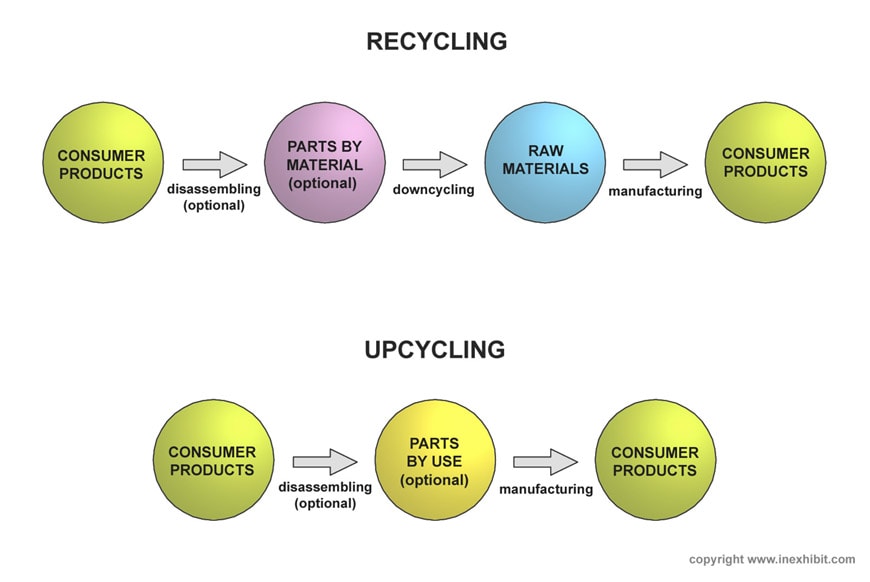
A closer look at the differences of recycling and upcycling

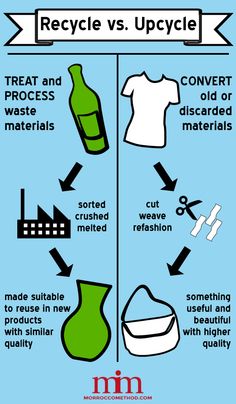
Recycling is a better known concept than upcycling, however are different concepts.

Recycling is recovering a product that has been used and putting it through a process to enable the material of the former product to be used in production of new products. An example of this can be the paper recycled at schools. This paper gets recycled into either paper for use in printing again or paperboard for use in packaging. Recycling can happen many times over depending on the quality of the material. Paper consists of paper fibers and usually these fibers can be cycled back to printing material 8 times. After that, the fibers get too short and then it becomes suitable for paperboard.

Upcycling is using various different products to make something new, but for different purposes. For instance, you can make bags from your old jeans. This is giving a new life to the jeans and extending the length of time you can use it. However recycling would be turning the jeans back into jeans. Upcycled items might still be recyclable at the end of their second life depending on the item in question.

Eat less meat

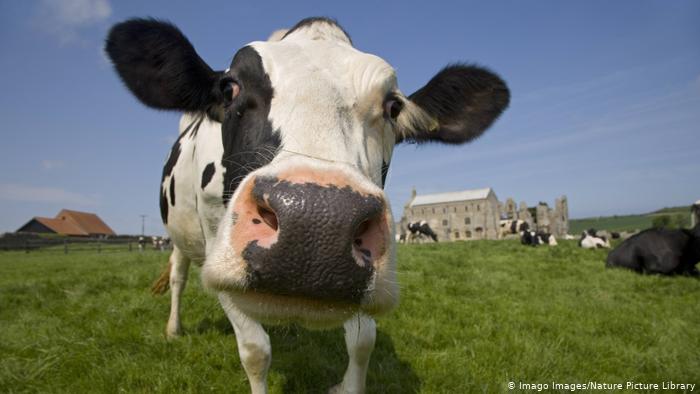
Eating less meat is a major change in lifestyle, with special emphasis on beef and lamb-containing meals. Cows and sheep are emitting large amounts of methane, a potent global warming gas. A vegan diet may make a difference to your total carbon effect, but simply cutting off beef will provide a significant benefit on its own. For a week, I eat less meat and I eat vegetables and I think I reduced my carbon emission. If we eat less meat, we wont need lots of animals for feed ourselves. So, we will decrease number of animals which are polluting our world with methane gas.

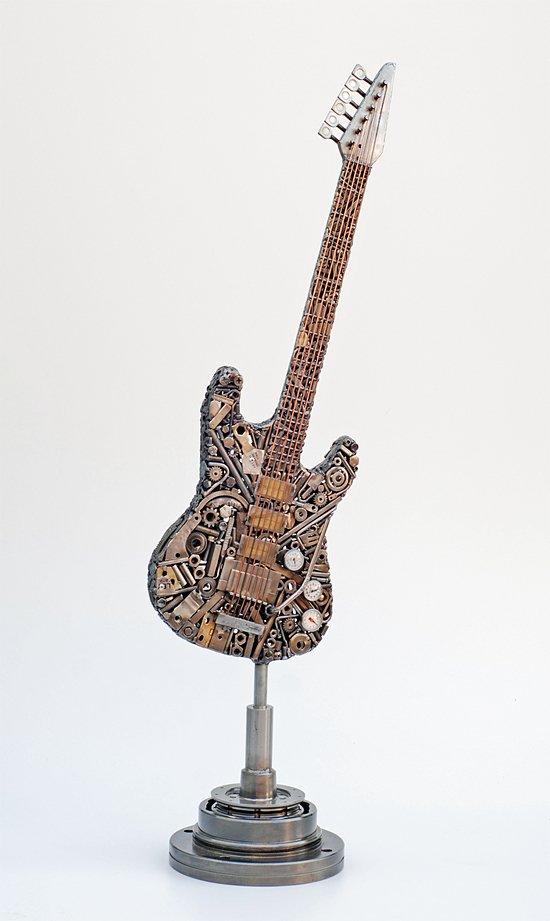
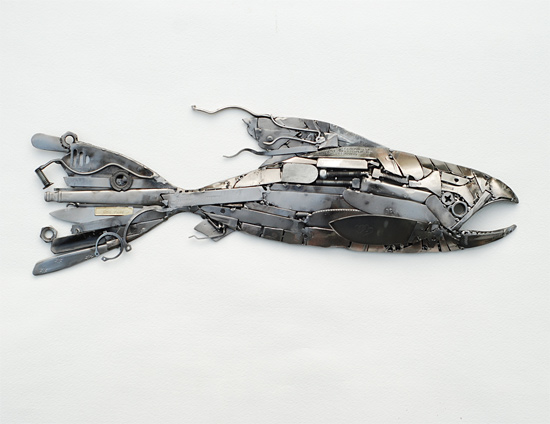
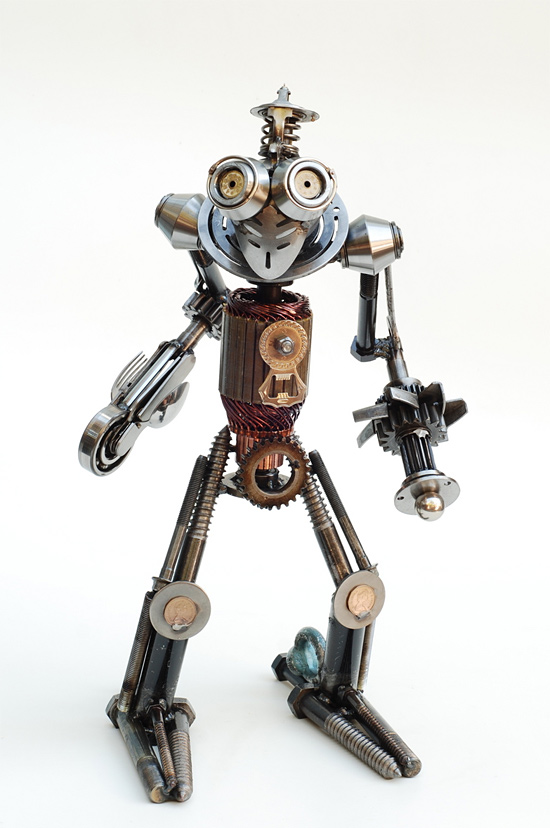
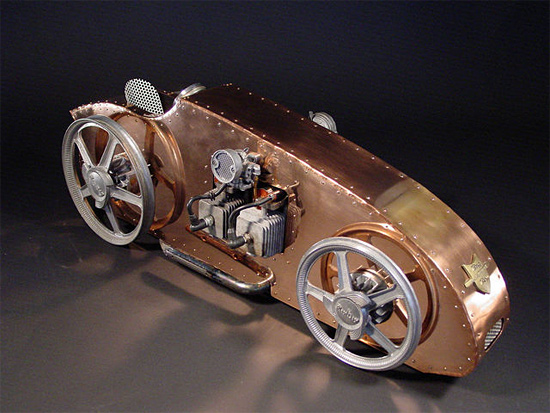
Recycled Metal Art

American artist Brian Mock uses hundreds of discarded metal objects to create incredible life-size sculptures.

He said “I am intrigued by the challenge of creating an entirely unique piece from an eclectic collection of discarded objects. Giving these old, common items a new and extraordinary life as one sculpture is an artistically challenging yet gratifying process. This type of work is also designed to be highly interactive and prompt viewers to question the reality of what they see. Audience reactions fuel my motivation.”

Food Waste and Recycling As a Solution

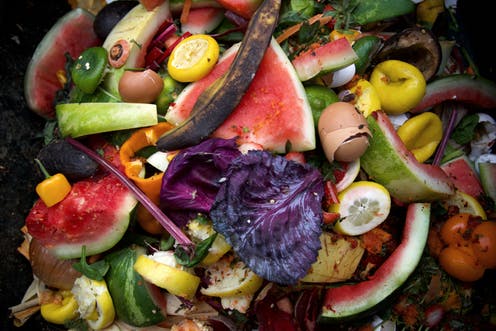
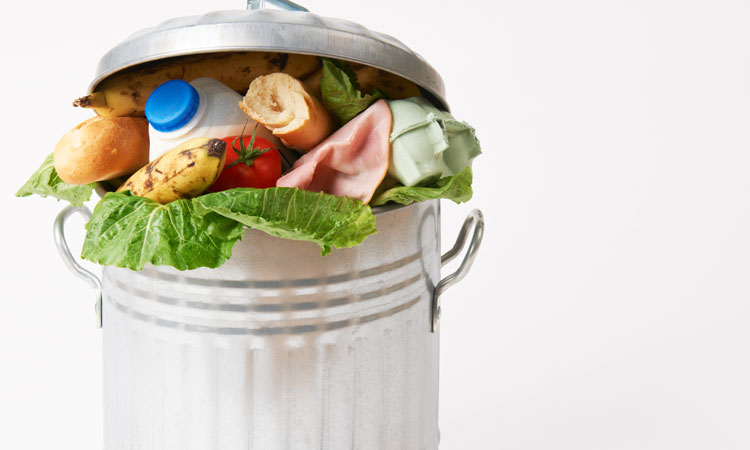
We waste 1.3 billion tons of food each year, which is enough to feed the world’s malnutritioned and poor population four times over. We produce much more food compared to our need. So why all the waste?

About half of the food we produce goes to waste and not into bellies of people, and it’s not the producers, farms and markets that sell the food that are doing all the wasting. It’s the consumers. According to some reports, almost half of the food waste happens at households. And when the food is wasted, all the products that were used to grow/produce that food goes to waste too. Us, the consumers are a big part of the problem but the good news is that it is possible to be the part of the solution. With enough public attention it is easier to do such recycling projects.

Converting these wasted food via recycling methods that turn them into burnable fuels such as methane, and not even wasting them in the first place we can make the world a much better place and leave our offsprings a good world.

WordPress.com ile böyle bir site tasarlayın
Başlayın